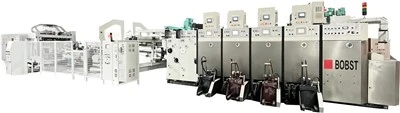

The core safety principles for the maintenance of cardboard printing machinery are: machine shutdown and energy lockout, prevention of mechanical entanglement, prevention of electrical hazards, prevention of chemical hazards, and standardized operational and environmental management. The following sections provide a detailed explanation of these key aspects:
Machine Shutdown and Energy Lockout (The Most Critical Aspect)
Mandatory Power Disconnection: For all maintenance, cleaning, and repair tasks, it is imperative to completely shut down the machine, cut off the main power supply and air supply, and affix a warning sign reading: "Do Not Energize-Personnel Working."
Energy Lockout: When entering the interior of the machine (e.g., between rollers or inside gearboxes) for maintenance, a Lockout/Tagout (LOTO) procedure must be implemented, with a designated individual retaining custody of the keys to prevent accidental startup.
Residual Energy Release: After shutting down the machine, wait for at least five minutes to allow the motors and rollers to come to a complete stop; additionally, release any residual pressure within the pneumatic system to prevent sudden, unexpected movements.
Protection Against Mechanical Hazards
Hazards from Rotating Parts: Strictly prohibit touching rollers, gears, chains, belts, anilox rollers, or plate cylinders with your hands while the machine is in operation. The machine *must* be shut down before performing cleaning, wiping plates, or clearing paper jams.
Entrapment Prevention: Long hair must be secured inside a work cap. Do not wear loose clothing, gloves (while the machine is running), or jewelry. Ensure cuffs are fastened tightly to prevent them from being caught in rotating shafts.
Pinch and Squeeze Points: When adjusting roller gaps, mounting plates, or disassembling/cleaning components, keep fingers clear of pinch points-such as roller nips, the impression zone, and slotting knives. Use specialized tools for these tasks; do not perform them by hand.
Integrity of Safety Devices: Safety guards, pull cords, emergency stop buttons, and photoelectric safety sensors must *not* be removed or bypassed. Verify the functionality of these safety devices at the start of every shift.
Electrical Safety
Power-Off Operations: Electrical maintenance (involving control cabinets, motors, and wiring) must be performed with the power disconnected and verified as de-energized; such operations must be carried out by a certified electrician.
Moisture and Dust Protection: Electrical cabinets must be kept dry and well-ventilated; washing them with water is strictly prohibited. For cleaning, use a dry cloth or compressed air (at low pressure).
Wiring Inspection: Regularly inspect wire insulation and grounding connections to ensure they are in good condition and to prevent electrical leakage. If any damage is detected, immediately shut down the equipment and replace the affected components.
Cleaning and Lubrication Safety
Cleaning Tools: Use a soft cloth or a specialized brush; strictly prohibit the use of hard objects-such as steel wool or blades-to scrape the rollers or printing plates, to prevent damage and the scattering of debris.
Lubrication Protocols: Select the appropriate lubricant (oil or grease) according to the manufacturer's instructions, ensuring the model matches the equipment; do not mix different types of lubricants. Shut down the machine when applying lubricant to prevent drips from falling onto the floor and creating slip hazards.
Ink System Cleaning: When cleaning the ink fountain, circulation pump, or anilox roller, disconnect the power supply to the ink pump to prevent sudden rotation. Never insert your hands into the ink fountain or the circulation piping.